
Silniki morskie zasilane wodorem i rozwój MHFSwybrane do projektu NEDO Green Innovation Fundmającego na celu budowę statków o zerowej emisji.
VISION01 Społeczeństwo oszczędzające energię
Cele
Rozszerzanie możliwości energetycznych. Korzystanie z niedrogiej i bezpiecznej energii, prądu i ciepła, kiedy tylko jest to konieczne i tylko w takim stopniu, w jakim jest to konieczne.
Nasze produkty, usługi i wsparcie dla VISION 01
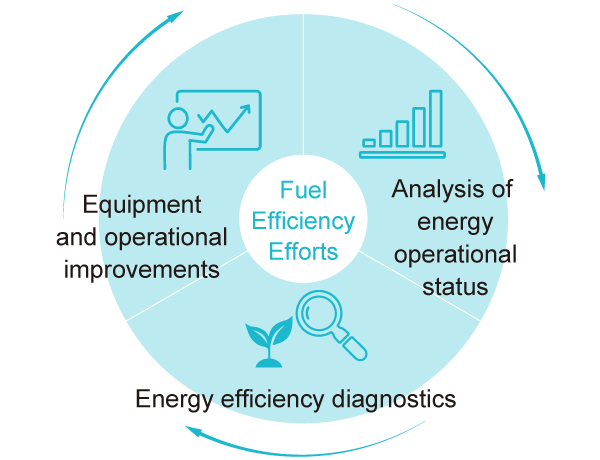
System zarządzania energią
Przyczyniamy się do optymalizacji zużycia energii w całym obiekcie poprzez diagnostykę efektywności paliwowej i analizę stanu operacyjnego energii. W ten sposób pomagamy w osiągnięciu efektywności energetycznej.
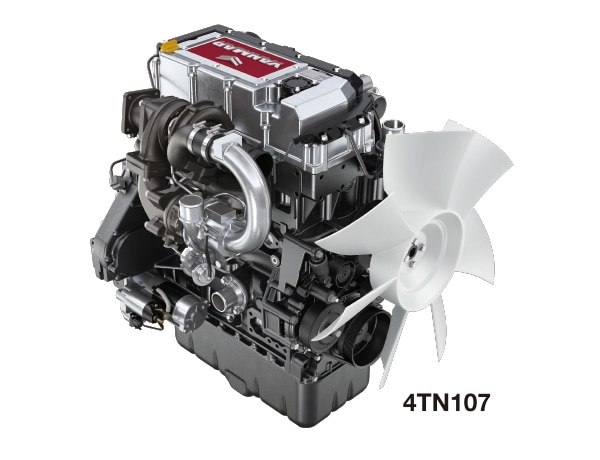
Silniki Diesla do zastosowań przemysłowych
Opracowujemy silniki o bardzo wysokiej wydajności paliwowej i dużej mocy, aby rozszerzyć nasz segment przemysłowych silników wysokoprężnych. Silniki te są również zgodne z najnowszymi europejskimi normami Stage V.
Zgodne Cele Zrównoważonego Rozwoju

Wyzwania społeczne do rozwiązania w ramach WIZJI 01
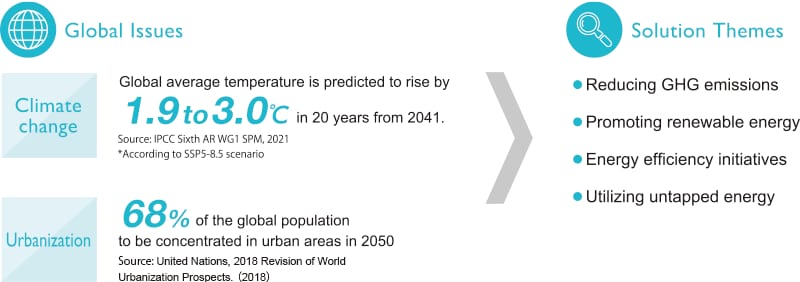
Wkład poprzez biznes
YANMAR POWER TECHNOLOGY CO., LTD.
Wyzwania
W obliczu rosnącego na całym świecie trendu dekarbonizacji, dalsza redukcja emisji gazów cieplarnianych stała się pilną kwestią w obszarze żeglugi międzynarodowej. W październiku 2021 roku rząd Japonii i branża żeglugowa ogłosiły cel osiągnięcia zerowej emisji netto gazów cieplarnianych z żeglugi międzynarodowej do 2050 roku. Międzynarodowa Organizacja Morska, która w 2018 roku przyjęła Strategię Wstępną zakładającą redukcję emisji z żeglugi międzynarodowej o co najmniej 50% do 2050 roku, planuje zrewidować i wzmocnić tę strategię w 2023 roku.
- Odniesienie: W kierunku osiągnięcia zerowej emisji gazów cieplarnianych netto z żeglugi międzynarodowej do 2050 r., projekt „Żegluga zerowa”
Rozwiązanie
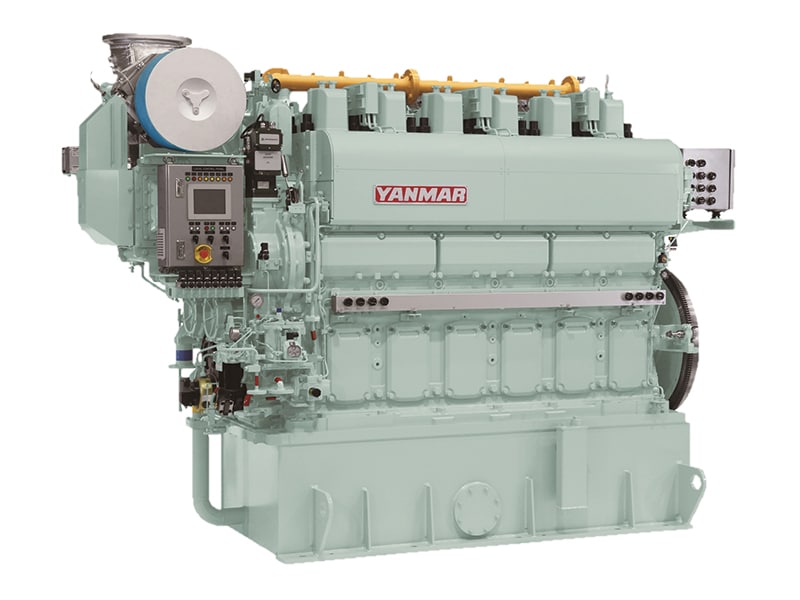
Organizacja Rozwoju Nowych Energii i Technologii Przemysłowych (NEDO) rozpoczęła w styczniu 2022 roku projekt mający na celu opracowanie statków morskich nowej generacji, które będą bezemisyjne. Yanmar Power Technology połączyła siły z Kawasaki Heavy Industries i Japan Engine Corporation (J-ENG), aby opracować silnik morski zasilany wodorem oraz system MHFS *1 i odgrywa aktywną rolę w tym projekcie.
Te trzy firmy równolegle angażują się w inicjatywy dotyczące silników morskich zasilanych wodorem. Kawasaki opracowuje silniki czterosuwowe średnioobrotowe, Yanmar silniki czterosuwowe średnio- i wysokoobrotowe *2, a J-ENG silniki dwusuwowe wolnoobrotowe. Do 2026 roku obejmiemy pełną gamę silników, które mogą być wykorzystane do zaspokojenia szerokiego zakresu potrzeb, i planujemy przeprowadzić program pilotażowy na statkach eksploatowanych przez armatorów i stocznie, co przyniesie korzyści społeczeństwu i gospodarce.
Through joint investment in a newly established company, HyEng and with MHFS developed at Kawasaki, the three companies are working together to build a hydrogen-fueled propulsion system by developing common technical elements such as basic combustion analysis, materials and sealing surfaces that meet ship classification regulations, and sharing testing facilities.
- *1 MHFS: Marine Hydrogen Fuel System: hydrogen fuel marine tanks and fuel supply system
- *2 YPT planuje najpierw opracować dwupaliwowy silnik wodorowy o średniej prędkości obrotowej, a następnie silnik wysokoobrotowy zasilany wodorem.
Swipe to see the right side of this picture.
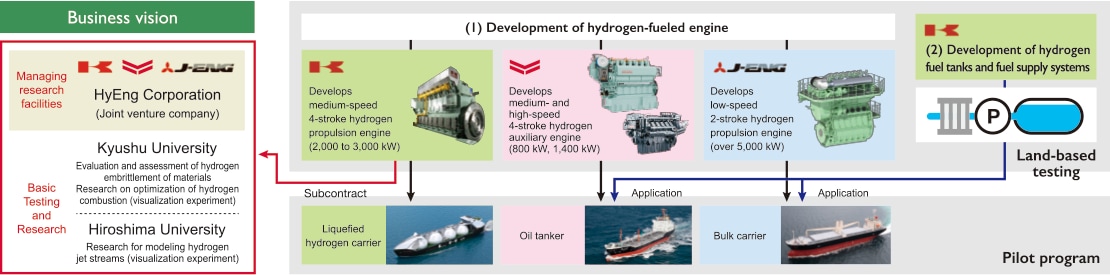
- Source: Kawasaki Heavy Industries, Yanmar Power Technology, Japan Engine Corporation
Podana wartość
Through hydrogen-fueled engines, we will contribute to the reduction of GHG emissions in a wide range of applications, with ocean-going vessels as the main focus, and also domestic vessels. In addition, we will provide a hydrogen-fueled engine system that ensures the necessary redundancy for ships, saves space in the engine room, and satisfies NOX and SOX regulations. The project will also help the revitalization of the domestic maritime industry.
YANMAR ENERGY SYSTEM CO., LTD.
Contributing to the realization of a carbon-free society 100% hydrogen-fueled cogeneration manufactured by German company 2G to be sold in Japan and overseas by the end of FY 2022.
Wyzwania
The pursuit of energy efficiency and the use of renewable energy to reduce greenhouse gas emissions are essential to achieve a carbon-free society. Wind power generation and solar power generation are also spreading in Japan, but the fluctuation of energy production remains a challenge, due to the characteristics of dealing with nature. Therefore, expectations are high for hydrogen as a new energy source. Hydrogen energy can be produced from various energy sources, including renewable energy, and has the advantage of not emitting CO2 when used. Businesses are increasingly focusing on this as a medium- to long-term key to achieving carbon neutrality.
Rozwiązanie
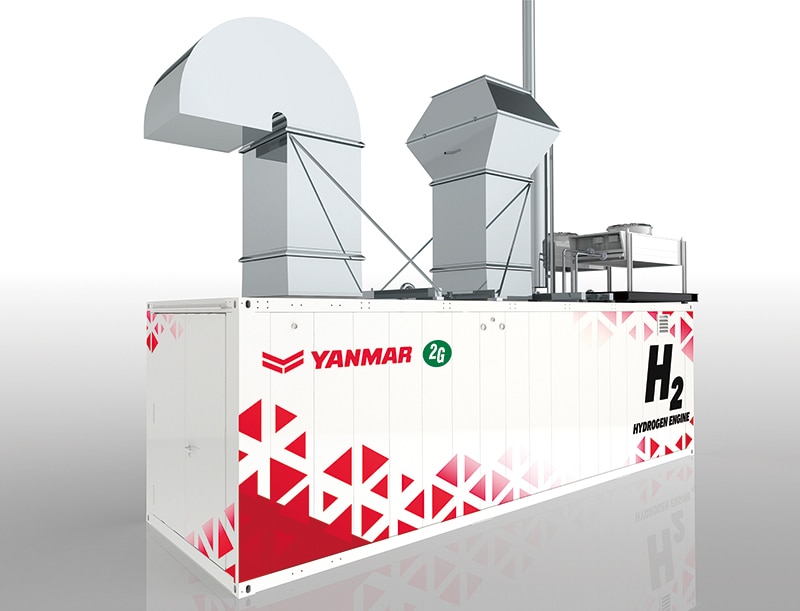
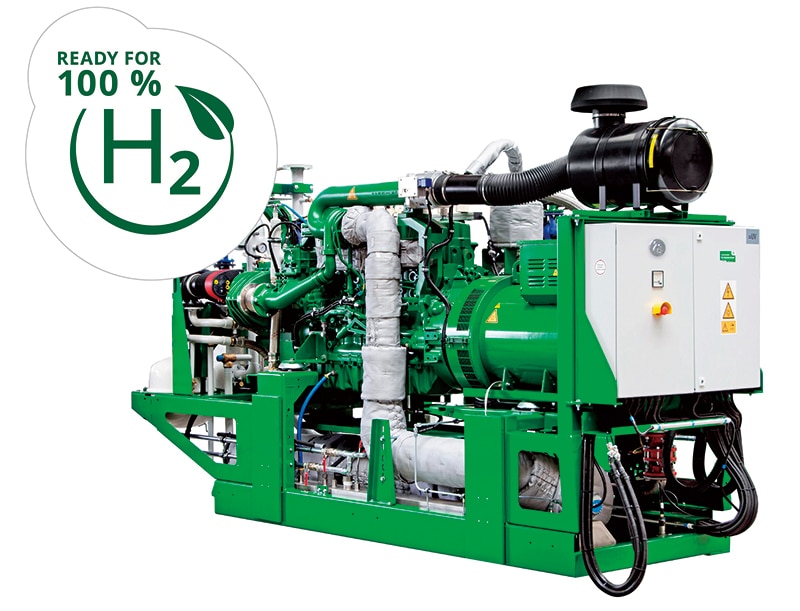
Yanmar Energy System has concluded a sales agreement for the 100% hydrogen-fueled cogeneration system manufactured by the German company 2G Energietechnik GmbH. The agreement is for Asia, including Japan, the Middle East, and Africa, and the system will be used in Japan within this fiscal year. We plan to handle a total of 5 models* with a power generation capacity of 115 kW to 750 kW.
By November 2022, the machine will be installed at Yanmar Energy System’s Okayama Test Center for validation of construction and maintainability. In 2023, we will also open a facility where customers can see the actual product, and propose this system as a solution that includes hydrogen supply for various environmentally friendly projects and companies. We will also promote technological development so that gas engines made by Yanmar are also compatible with hydrogen fuel.
In the future, we will continue to propose total energy solutions, including CHP and hydrogen generators, and strengthen our initiatives to solve our customers’ energy challenges and realize a carbon-free society.
- * Depending on the results of the test, the models and actual figures may change.
Podana wartość
By promoting hydrogen-fueled cogeneration systems that generate electricity and heat efficiently, businesses can curb the amount of fossil fuels and grid electricity in their business activities, thereby contributing to a decarbonized society.