Anticipating the Renewal of Your Wheel Loader Fleet: Methods and Best Practices
Introduction
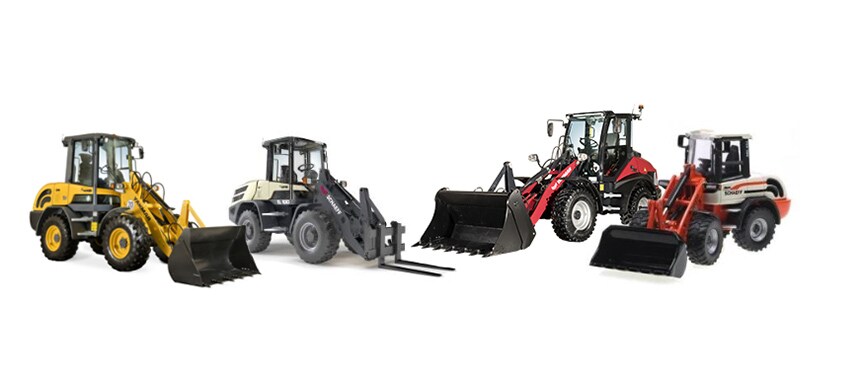
In fleet management, the worst mistake is to wait for machines to break down before replacing them.
For construction companies, anticipating renewal has become a strategic practice — ensuring project continuity, avoiding unexpected costs, and optimizing resale value.
So, when should you start thinking about replacing your loaders? What criteria should you use? And how can you avoid critical downtime?
Here are the proven methods used by industry professionals.
Why Anticipate (Rather Than React)?
"If you wait too long, you pay twice: once in repairs, once in site stress."
— Fleet Manager, Water Networks Sector
Anticipating renewal allows you to:
- Avoid last-minute purchases (often more expensive)
- Maximize resale value
- Ensure key machines are always available
- Spread investments over several fiscal years
As one branch manager told us:
"We replace every 5 years, even if the machine still runs fine. No nasty surprises."
What Are the Key Indicators to Monitor?
Here are the 5 indicators most commonly monitored by equipment managers:
- Number of hours
5,000? 6,000? It depends on the model, but after a certain point, maintenance costs soar. - Breakdown frequency
If failures are becoming more frequent, it’s a clear sign of wear. - Cumulative maintenance cost
If the annual service costs exceed 15–20% of the machine’s value, profitability drops. - Technical obsolescence
Spare parts are harder to find, emission standards are outdated, operator comfort is lacking. - Resale value
Early resale can recover 30–40% of the original price — a great deal if well negotiated.

Method: How to Structure a Renewal Plan?
Here’s how some construction groups structure their renewal strategy:
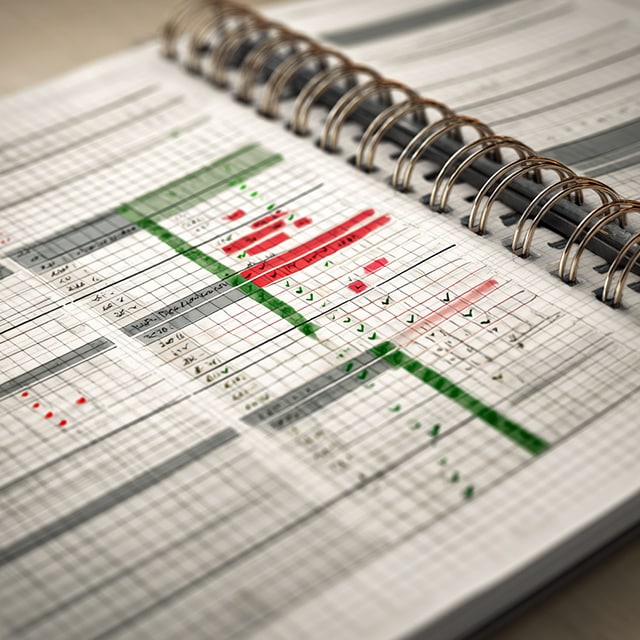
- Machine tracking spreadsheet
(hours, breakdowns, purchase value, condition, next inspection) - Predefined trigger thresholds
e.g., replace at 6,000 hours or after 3 failures in 12 months - Rolling 3- to 5-year calendar
→ Renew 1/5 of the fleet each year - Budget forecasting included in investment plan
- Liaison with dealer for trade-in planning and promotions
The Role of Field Teams
Operators are often the first to notice a performance drop:
"The guy who runs it 8 hours a day knows when it's pushing too hard, vibrating, or losing precision."
Best practices:
- Involve users in machine assessments
- Encourage reporting (strange noises, unusual behavior)
- Include the workshop in final decisions
Trade-in or Sell: Finding the Right Time
A dealer may offer a trade-in deal on a new model.
This helps:
- Reduce upfront investment
- Avoid selling on the secondary market
- Speed up the process
"With Yanmar, you can talk trade-in by the 4th or 5th year."
— Equipment Manager, Earthworks Company
Some companies prefer to sell directly to other contractors or for export — provided they have:
- A good maintenance history
- A clean and well-documented machine
- Up-to-date invoices and service records

Conclusion
Fleet renewal shouldn’t be a frantic race after a breakdown.
It should be a planned, documented, and structured process.
Top-performing companies all share one habit:
They know the condition of their machines — and when it’s time to move on.
For the benefit of their crews, their jobsites… and their budget.
FAQ: Loader Fleet Renewal
Q1: When should a loader be replaced?
When maintenance costs are too high or when the machine no longer fits your needs.
Q2: How do you plan for renewal?
By tracking usage, breakdowns, and forecasting future needs.
Q3: Should I replace it with the same model?
Not necessarily — renewal is a chance to optimize the fleet based on updated use cases.