Yanmar and Antarctica
At Yanmar, we are contributing to innovation and reducing environmental impact in Antarctica
“A SUSTAINABLE FUTURE-New Value Through Technology-”
SCROLL
Yanmar’s Role in Antarctic Research
Since 1983, Yanmar has been supporting the Japanese Antarctic Research Expeditions through the National Institute of Polar Research (NIPR). Our engineers serve on-site as generator specialists, ensuring stable energy supply and reliable equipment operation under some of the harshest conditions on Earth.
Antarctic research plays a vital role in understanding climate change and predicting its future impact. By maintaining energy security in this extreme environment, Yanmar helps sustain critical scientific exploration.
Japan’s Antarctic Research Efforts
Japan’s involvement in Antarctic research began in 1912 with the pioneering expedition led by Nobu Shirase. In 1956, the government launched the first official Antarctic Research Expedition, and Syowa Station* was established in 1957.
For about 70 years, Japan—led by NIPR—has continued observations in fields such as meteorology, atmospheric science, glaciology, oceanography, geology, biology, and space science. These efforts have generated globally significant insights into Earth’s environment, the origins of life, and the mechanisms of climate change.
The National Institute of Polar Research
Established in 1973, the National Institute of Polar Research (NIPR) serves as Japan’s core institution for polar studies. NIPR operates Syowa Station and leads expeditions while advancing cutting-edge research across multiple disciplines.
By collaborating with research organizations worldwide, NIPR not only advances polar science but also contributes to solving global environmental challenges.
Why Yanmar in Antarctica?
Powering Life at the Ends of the Earth
For over 40 years, Yanmar has been providing the engines and technical expertise that keep life and research running in Antarctica.
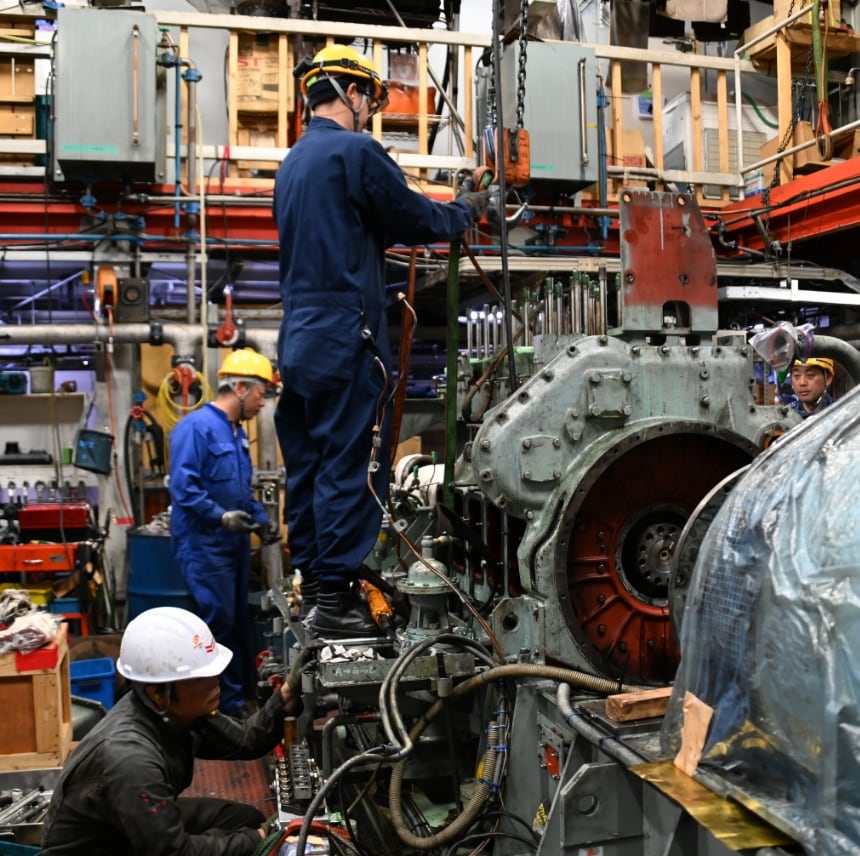
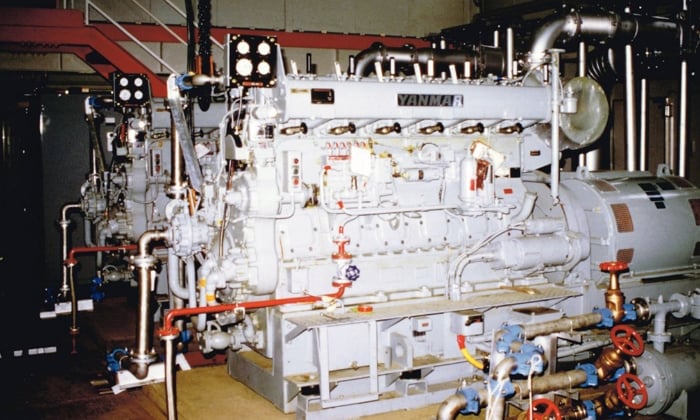
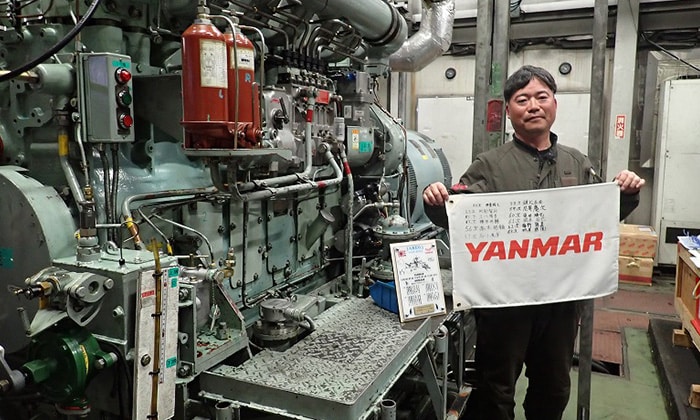
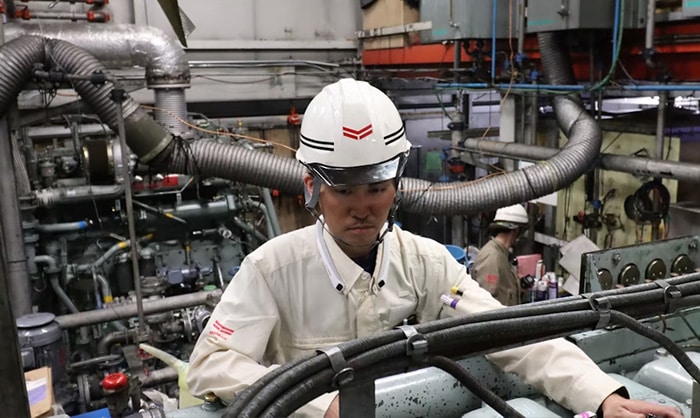
Since 1983, we have continuously dispatched engineers to serve as generator operators for overwinter expeditions. Their mission: to ensure stable, uninterrupted power at Syowa Station—an essential lifeline for both scientific activities and daily living in this unforgiving environment.
The knowledge and skills cultivated through decades of Antarctic work now extend beyond the polar regions, contributing to the creation of a more sustainable society for the future.
Our Mission: Protecting Essential Power Facilities
At Syowa Station, electricity and heat are more than conveniences—they are critical to survival. From research equipment to heating, lighting, and hot water, everything depends on a reliable power supply.
That’s why Yanmar sends highly trained engineers to operate and maintain generators around the clock, working hand-in-hand with other team members to monitor systems, carry out preventive maintenance, and respond to emergencies.
This deep sense of mission—to keep life connected in Antarctica—drives everything we do.
Yanmar Technology in Action
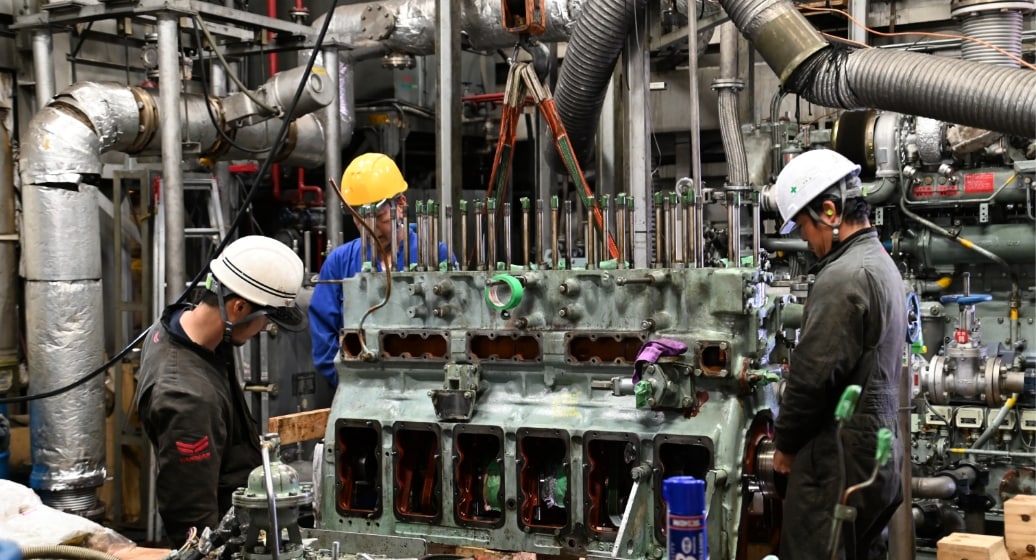
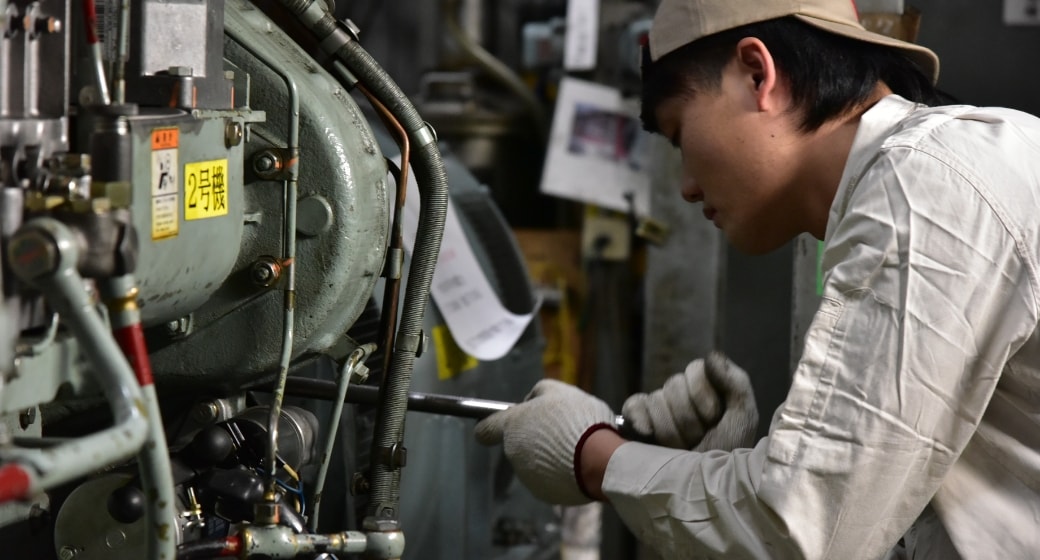
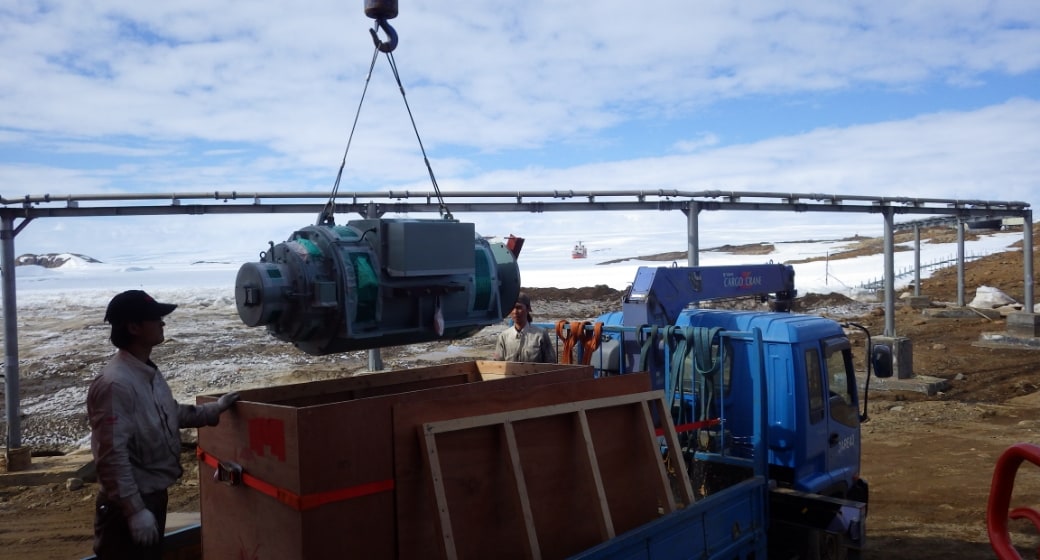
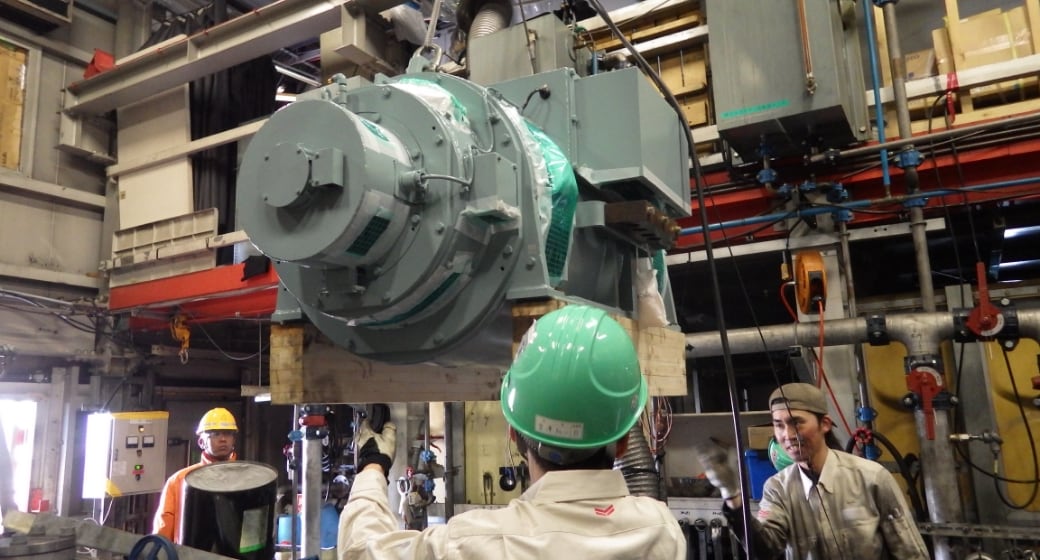
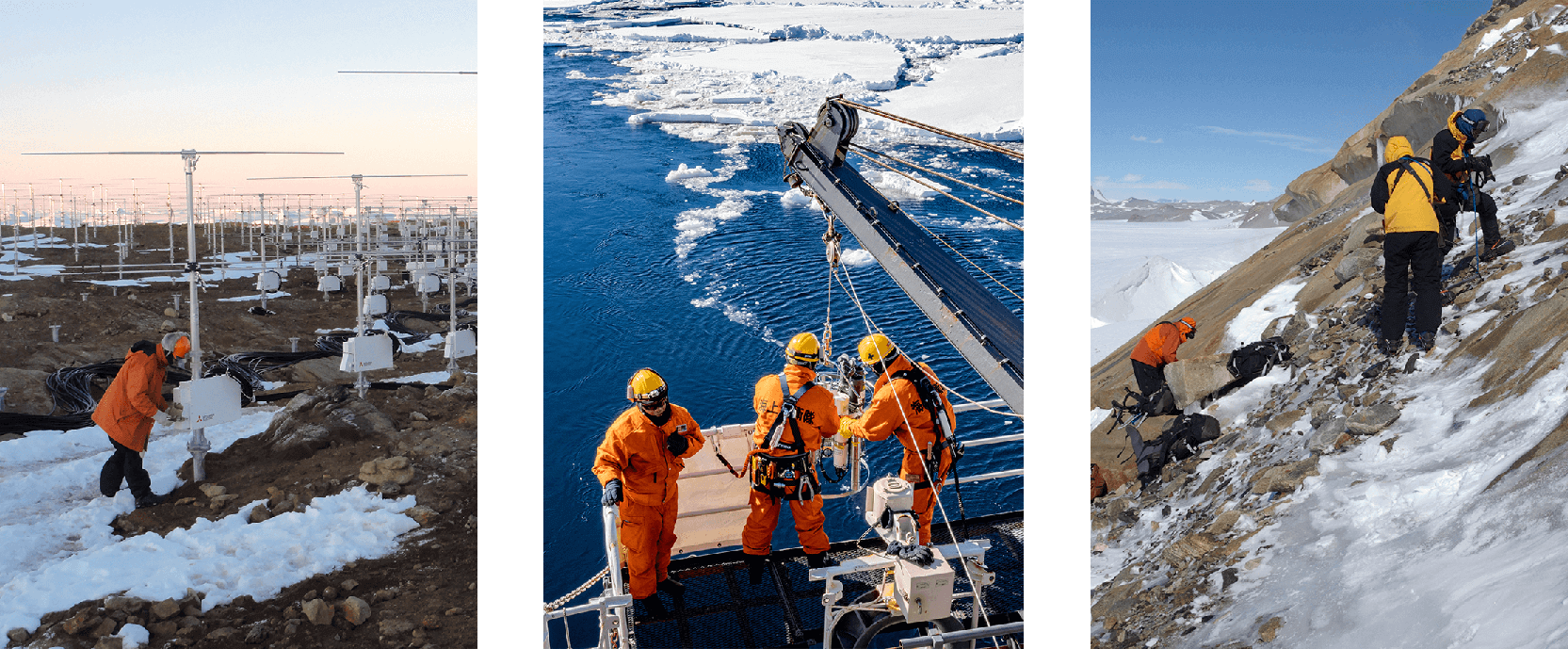
On-site Antarctic research
*Photo courtesy of National Institute of Polar Research