Why After-Sales Service Has Become a Decisive Purchase Criterion for a Wheel Loader
Introduction
When discussing the purchase of a wheel loader, we often think of performance, price, and reliability.
But on the ground, the criterion that most often influences purchasing decisions is the after-sales service.
In a context where the slightest breakdown can stop a job site, delay deliveries, or generate extra costs, the quality of after-sales service makes the difference between a good investment and a source of trouble.
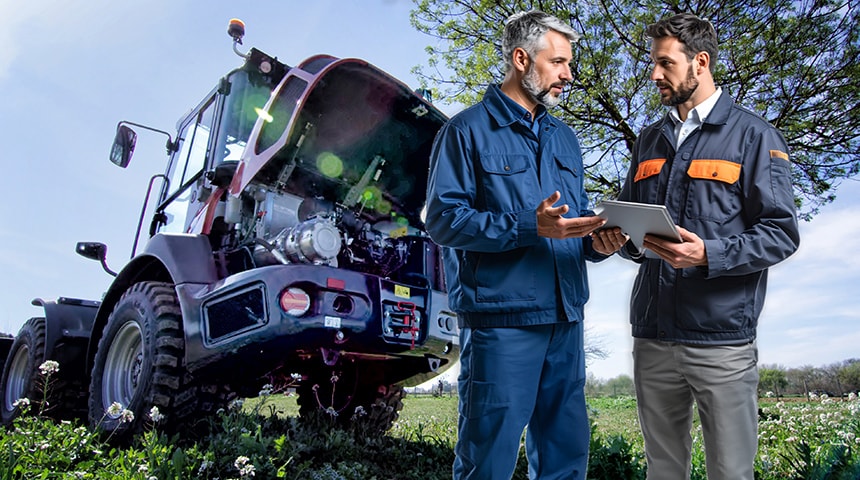
Is Service More Important Than the Machine?
Several interviewees almost word-for-word said:
“The machine is one thing. But what keeps us loyal is the service behind it.”
— Fleet manager, sanitation sector
Why is this perception so widespread? Because on the field:
- A good machine without reactive after-sales service = a stopped site.
- A competent after-sales service = long-term savings, even with a less powerful machine.
This is the number one peace-of-mind factor cited by fleet managers, workshop heads, and equipment managers.
What Professionals Really Expect From Their After-Sales Service
Behind the word “service” are very concrete expectations.
Top 5 requirements raised in interviews:
- Response time in case of breakdown: max 24h
- Availability of common spare parts: locally, quickly
- Support for multiple brands (for the whole fleet)
- Personalized relationship with a dedicated sales rep or technician
- Clarity on deadlines and no broken promises
“I can tolerate a breakdown. But not being told the part will arrive in 8 days without warning.”
— Technical manager, construction rental
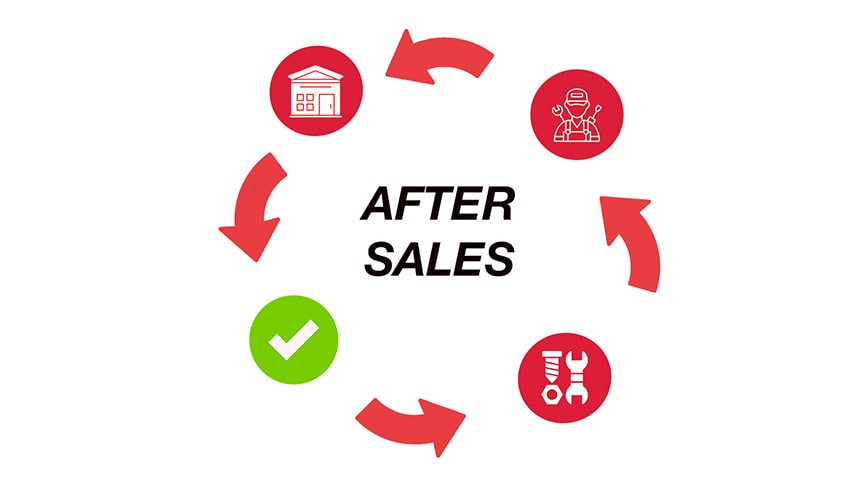
The Central Role of the Dealer
A good dealer is more than a distributor: they are an operational partner.
“We stay with NCS because we know we can count on them. Even for competitor machines, they provide support.”
— Regional agency manager
What clients appreciate most:
- A contact who knows their fleet
- Quick incident handling
- After-sales service that understands the site’s stakes, not just mechanics
This human and logistical link often tips the balance when choosing a wheel loader.
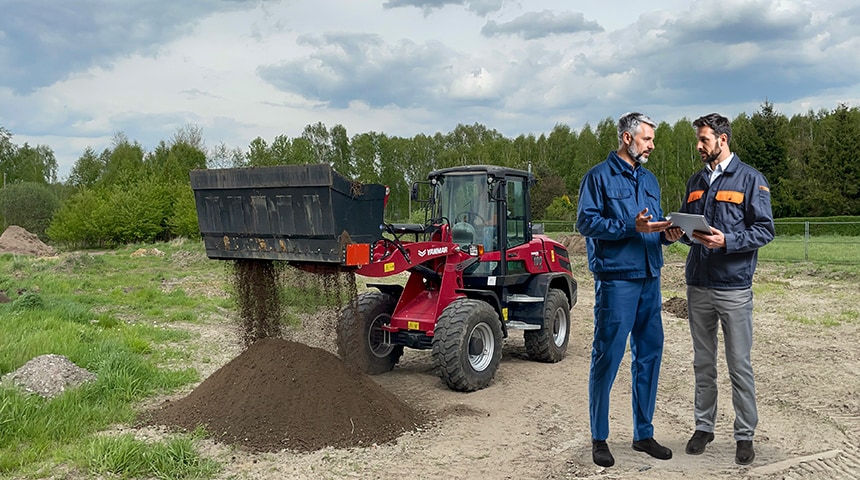
After-Sales Service = Profitability
It’s not just about comfort. It’s about real cost.
- An unaddressed breakdown = hundreds (or thousands) of euros lost
- Too long a delay = a disorganized site
- An unavailable part = less operational time
“I’d rather pay a bit more upfront if I’m sure the after-sales service will be there when needed.”
In short, after-sales service has a direct impact on a wheel loader’s profitability.
Those managing dozens of machines know this well.
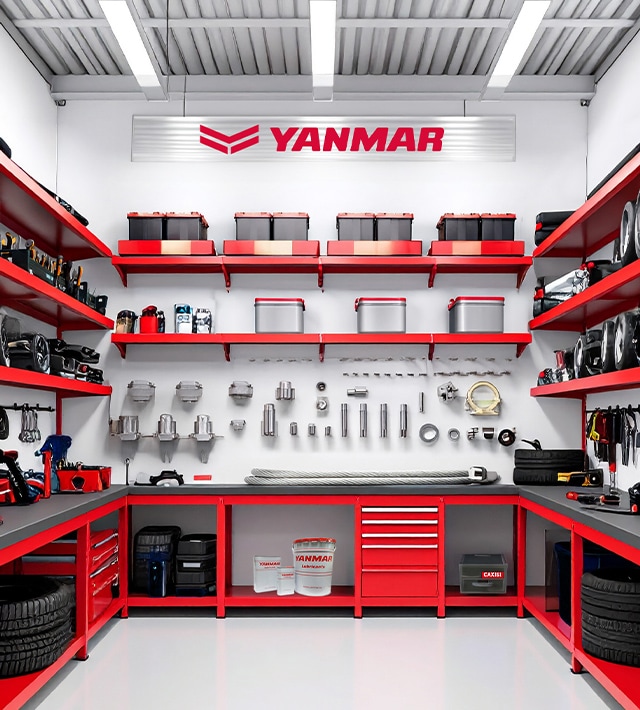
How to Evaluate After-Sales Service Before Buying?
Top construction decision-makers use these levers to test a supplier before committing:
- Visit the workshop: staff, stock, organization
- Ask precise questions about lead times and conditions
- Test response time on a small request
- Rely on word-of-mouth from other fleet managers or clients
“I choose a supplier when I know if I have a problem on Friday at 5 pm, they’ll answer.”
Conclusion
The best wheel loader in the world is worthless if it is immobilized on site for a week.
Today, after-sales service is a strategic criterion, just like lifting capacity, fuel consumption, or price.
It’s this criterion that retains customers, avoids conflicts, and guarantees operational continuity.
Before buying a machine, we evaluate its power. Today, we should also evaluate the power of the service behind it.
Next read: Considering the total cost of a wheel loader: avoiding false savings
FAQ: After-Sales Service and Loaders
Q1: Why is after-sales service so important when choosing a loader?
A responsive after-sales service minimizes downtime and reduces costs related to breakdowns.
Q2: What are the key expectations from a good after-sales service?
Responsiveness, parts availability, multi-brand expertise, personalized relationships, and transparency.
Q3: How to evaluate after-sales service before buying?
Visit workshops, test response times, and ask for client references.