






















-

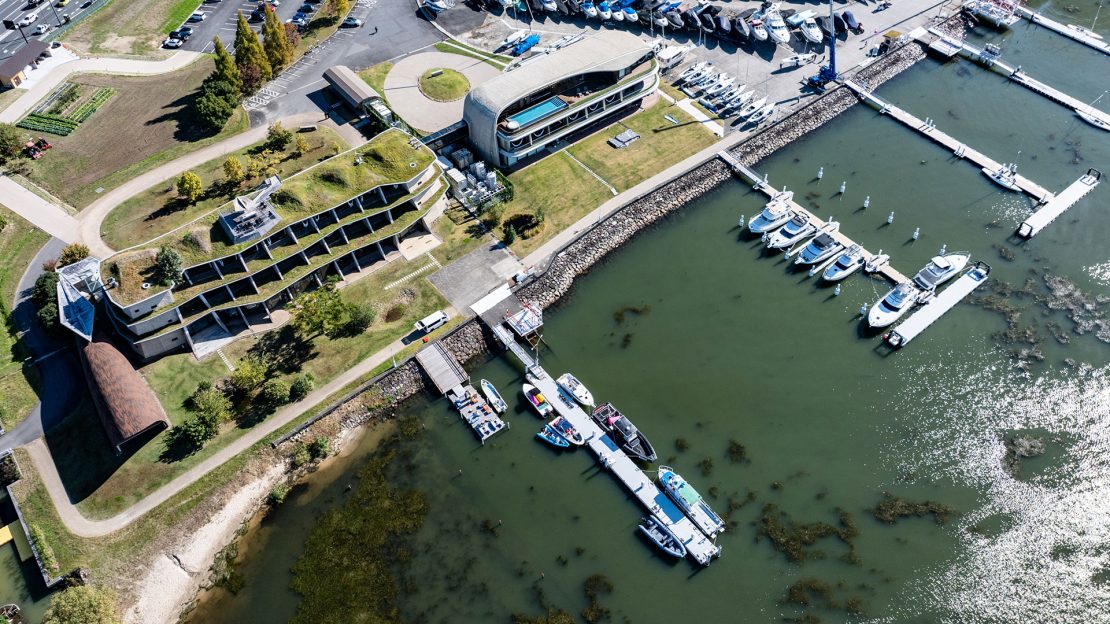
YANMAR SUNSET MARINA
-
Our Philosophy
-

YANMAR GREEN CHALLENGE 2050
Boat storage facilities are quietly transforming into hubs where people can experience the waterfront of today and tomorrow.
The Lake Biwa-based Yanmar Sunset Marina aims to design experiences that enhance enjoyment while minimizing environmental impact.
Yanmar’s challenge: linking marine activities and hotel stays through resource recycling to create new, high-quality experiences.
From a boat landing to the waterfront of the future
When people hear the word “marina,” most think of a place where boats are stored and maintained. The Yanmar Sunset Marina on Lake Biwa also began with that purpose in mind.
However, Yanmar positioned this site as an experience hub designed to translate its technology, products, and brand into experiential value. It was renovated into a resort facility that combines a clubhouse and a hotel. This project stems from Yanmar Group’s “Purpose: Why We Exist” is “A SUSTAINABLE FUTURE—New Value Through Technology.” It aims to break away from the traditional image of marinas as places to store boats, transforming them into futuristic spaces where people can enjoy the richness of the waterfront itself.
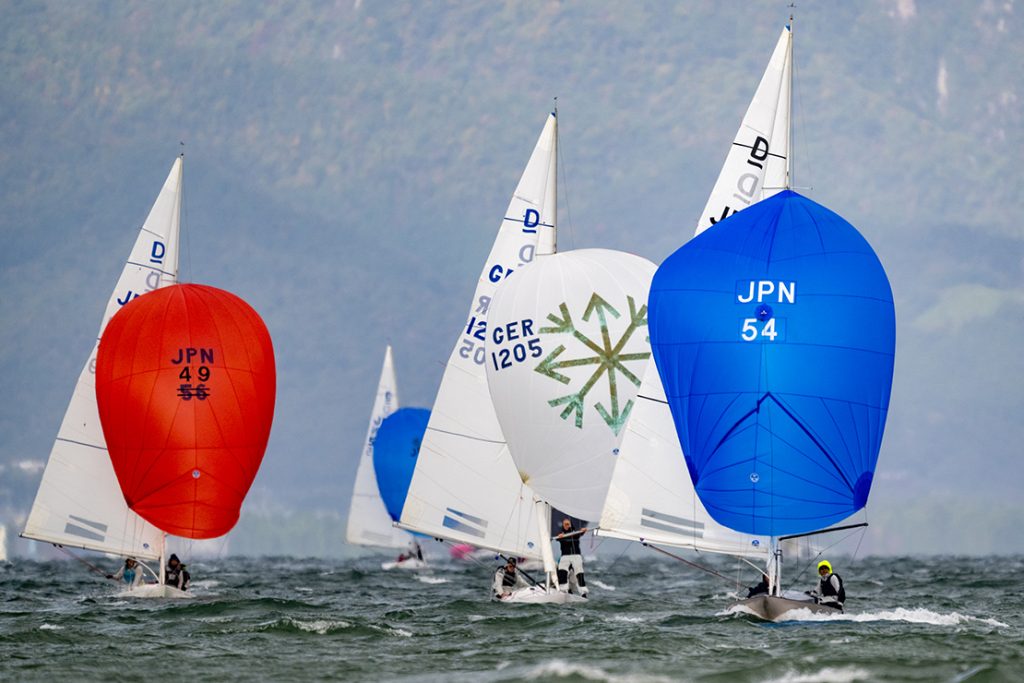
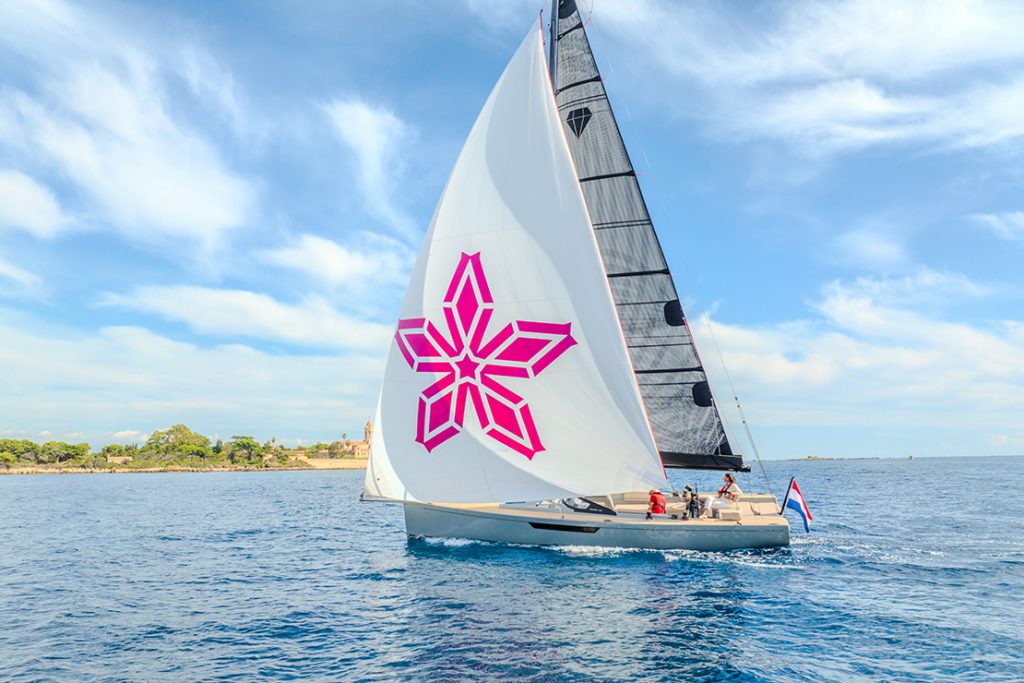
A major turning point was the decision to host the international yacht race, Biwako Dragon Invitation 2024, on Lake Biwa in 2024. The idea was that the facilities hosting a yacht race that harnesses the wind’s natural energy should also embody sustainability. With that vision in mind, the marina was transformed into a hub where people can experience what waterfronts of the future might look like.
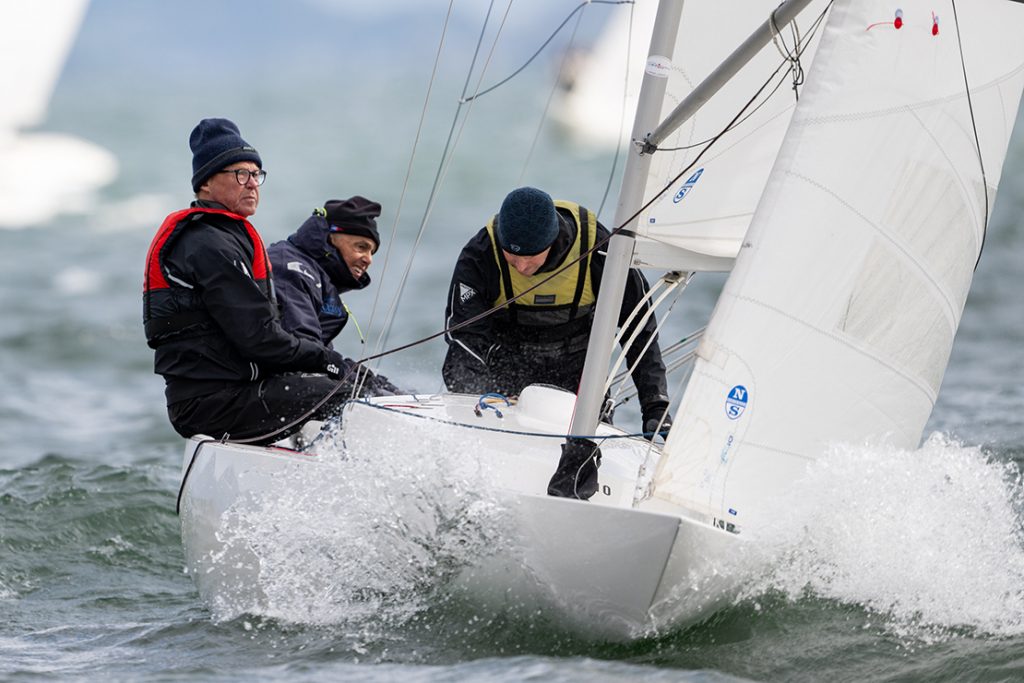
The plan was fully underway sometime between 2019 and 2020. It took about seven years to reach its current form. Taro Kitamura, an executive officer at Yanmar Holdings responsible for the marine business, says, “Human prosperity and the richness of nature are sometimes at odds with one another.”
In other words, pursuing comfort and convenience naturally places a burden on the environment, and trying to protect the environment can sometimes restrict people’s enjoyment and freedom. Yanmar’s role is to use technology to resolve the contradictions and challenges between those two.
“As a leisure business, the most important thing is to provide our customers with exciting experiences. However, we went through a process of trial and error to ensure that the environmental impact was kept to a minimum.”
Connecting energy, food, and fun at the beach
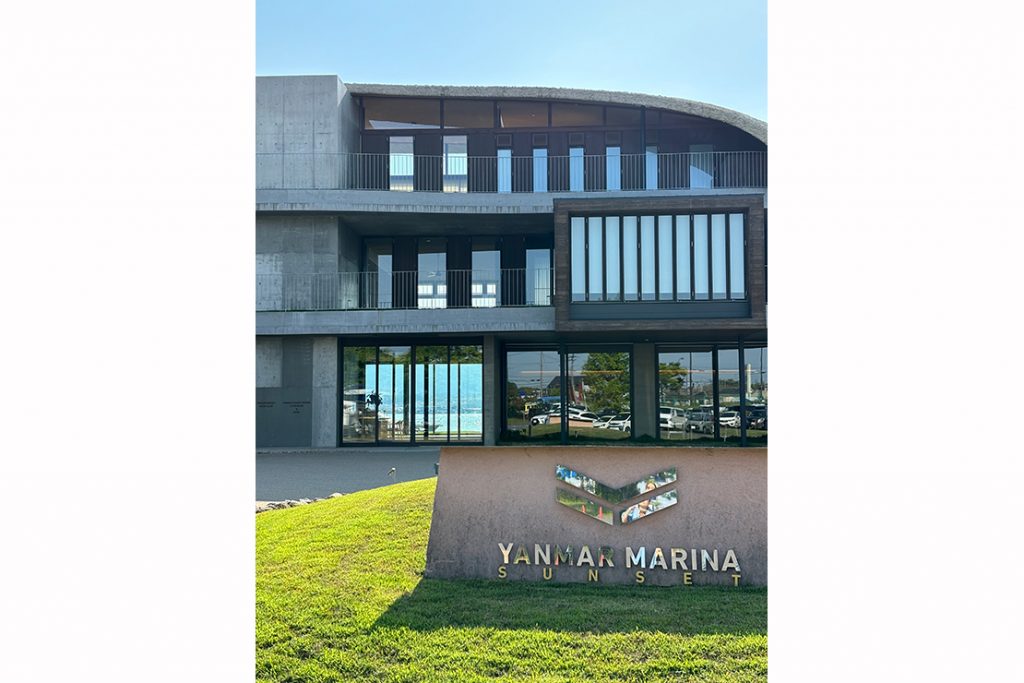
The vision for the future of this reborn Yanmar Sunset Marina is a “GHG-free” marina. In this context, “GHG-free” describes a sustainable cycle in which energy, food, and marine activities operate in harmony. “We have used that approach as the basis for various steps we have taken across the board over the past few years,” says Kitamura.
In the energy sector, the facility adopted solar power generation from Yanmar Energy Systems, along with an energy management system that controls equipment based on weather conditions and supply-and-demand trends to efficiently manage overall electricity use. As a result, the company promoted energy conservation and decarbonization, reducing the amount of electricity it purchases.

For food, they built a farm by leveraging Yanmar’s well-known strengths in agricultural machinery. They established a system to recycle food scraps from restaurants and aquatic plants from Lake Biwa into compost.
They use Yanmar bio-composters to process food waste. The byproducts are used in crop cultivation, reducing environmental impact and cutting disposal costs. The vegetables grown this way are served at the facility’s restaurant, creating a cycle that harmonizes beautifully with nature.

The same approach also applies to the equipment essential for marine activities. Sailboats are powered by wind and electricity, while cruisers run on renewable fuel (HVO) derived from used cooking oil and other sources. Even the LCD panels that display wind direction and speed, installed on the lake, are powered solely by solar and wind energy—a testament to their commitment to sustainability.
Staying, eating, and having fun at the lake. Resources quietly run the show behind every experience. They allow guests to enjoy an elegant moment in a space designed with environmental sustainability in mind, without even having to think about it.
How the Blue Flag changed the on-site atmosphere
One event that symbolizes their endeavor is obtaining the Blue Flag certification. This international environmental certification program is administered by the Foundation for Environmental Education (FEE), an NGO headquartered in Denmark. It is awarded to beaches, marinas, and tourist vessels that meet strict standards in areas such as environmental education, safety management, facility operations, and conservation.Last year, Yanmar Sunset Marina became the first lake in Asia to receive this certification, and it has been renewed again this year. The acquisition process also brought about a significant shift in the mindset of those on the front lines.
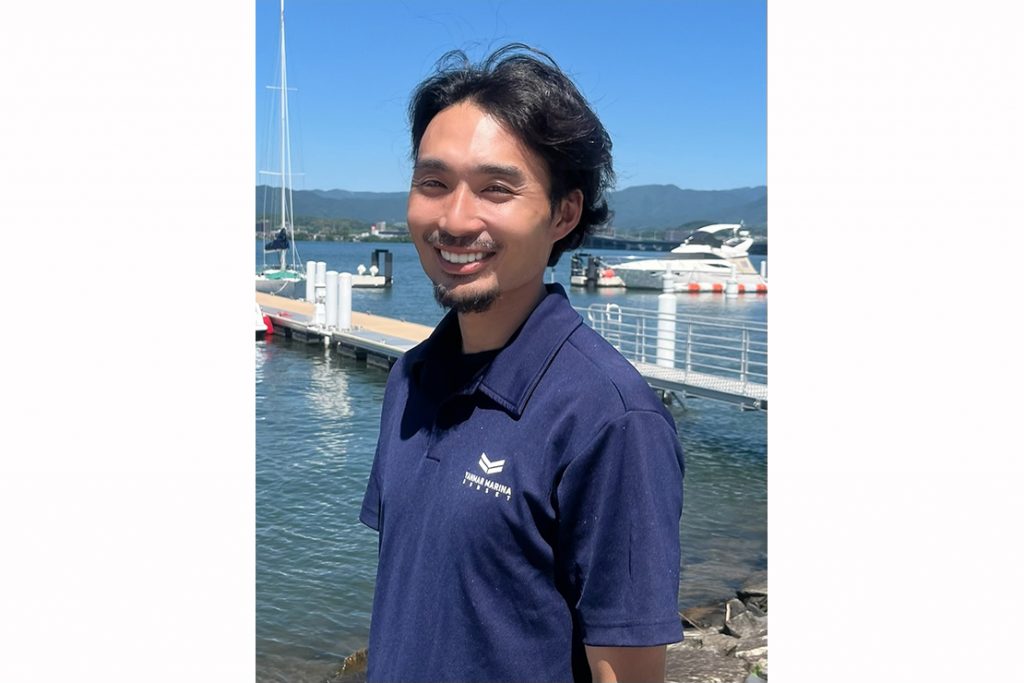
Komori handles loading and unloading vessels and repairing hulls. He’s an expert at making boat covers and tailoring them to each boat. He enjoys spending time by the water, both at work and in his personal life, even competing in wake surfing competitions.
Hikaru Komori of Yanmar Corporation’s Marina Division said, “To put it bluntly, I used to feel like I was simply working at a boat dock, but I’ve come to realize I’m working at a showcase for our company’s environmental performance, which we’re very proud of. I’ve learned to think and act on my own initiative to protect the environment.”
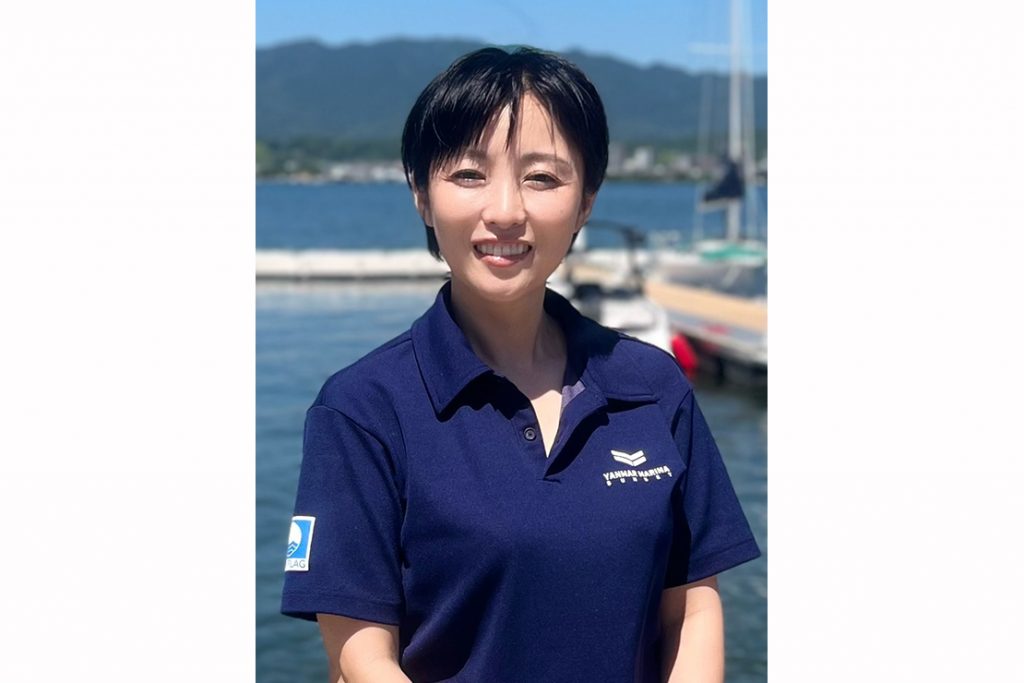
Nakamura has studied boats since she was in school and now shares her knowledge and safe boating skills with others. She works at the marina, planning and organizing events that encourage people to enjoy Lake Biwa. As a front-line leader, she creates opportunities for people to connect with the waterfront.
Yoshimi Nakamura, who has played a leading role in securing the Blue Flag certification, cites improved safety and security as another important change. She has steadily improved the quality of on-site practices and facility maintenance by reviewing operations to meet certification standards. The ongoing efforts of employees like her contribute to the safety and peace of mind of their guests.
Operating the facility has also deepened cooperation with Shiga Prefecture and Moriyama City, the marina’s home. The marina is closely aligned with the Mother Lake Goals (MLGs)—a set of Lake Biwa-centered goals for a sustainable society over the next 30 years—and is expected to serve as a platform to promote the lake’s value. A lake, not the ocean
A lake, not the ocean
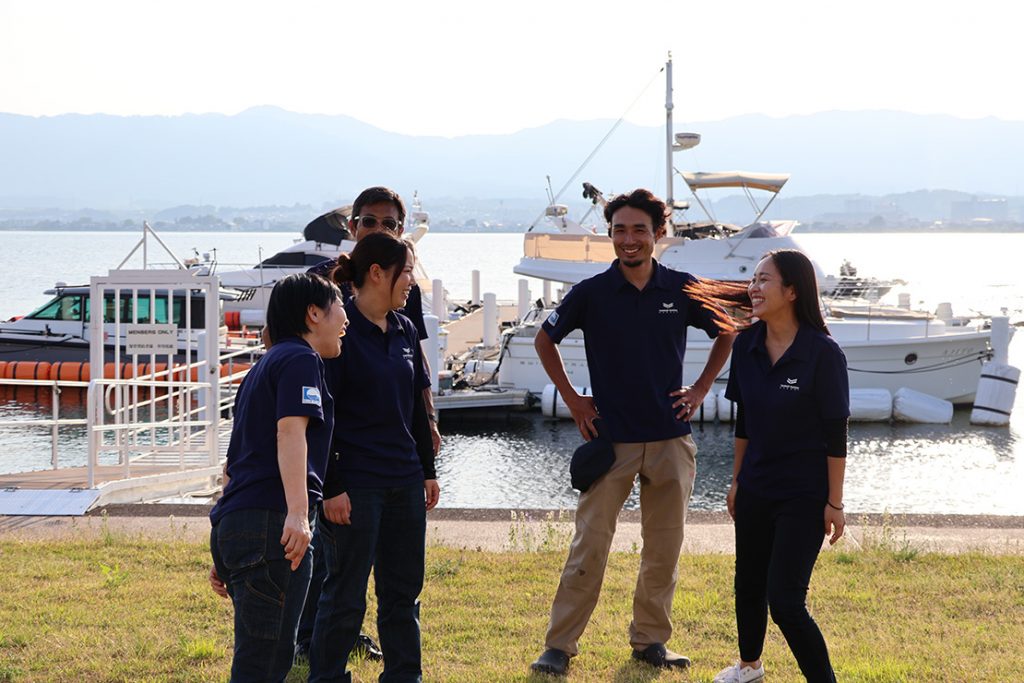
Another distinctive feature of this marina is that it is located on a lake rather than the ocean. Still, because it is in a relatively enclosed space, it faces certain environmental issues. Lake Biwa’s water quality once declined due to nitrogen and phosphorus in domestic and industrial wastewater. While the prefecture has since taken the lead in implementing improvements, new problems—such as the massive proliferation of aquatic weeds and invasive aquatic plants—have emerged.
It’s not enough to maintain the status quo; they continue experimenting every day, focusing on restorative action.
Yanmar has adopted the Yanmar Green Challenge 2050 initiative across the entire group as it works toward an inclusive future where people and nature thrive together. Of course, Yanmar Sunset Marina is no exception.
What began as a facility for storing boats has now gone beyond that role and seeks to convey the inherent richness of the waterfront itself, including the changing scenery of the four seasons and the splendor of the setting sun. It also highlights the direct link between a sustainable future and a refreshing experience in nature that revitalizes both body and mind.
Yanmar will continue to build marinas that meet global standards for environmental responsibility, safety, and service quality, preserving rich waterfront environments for future generations.
Photo: Yanmar Holdings / Text and Interview: Teppei Ikeda