May 01, 2024
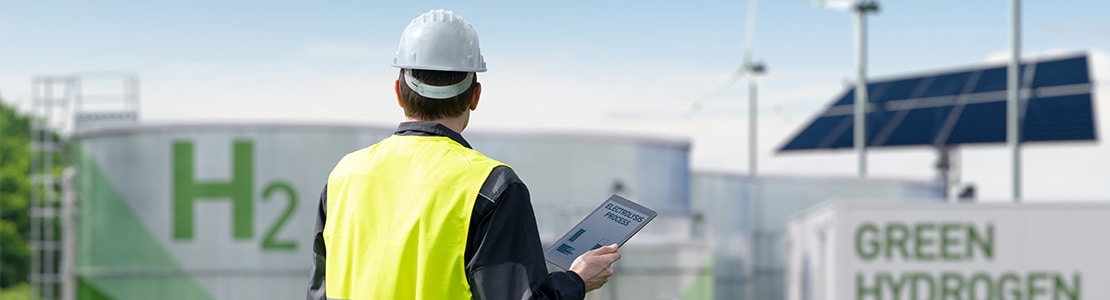
Hydrogen produces no CO2 at the point of use, making it a key contributor to a decarbonized society. Achieving carbon neutrality by 2050 will require widespread adoption, driven by technological advancements such as water electrolysis and fuel cells. Regional hydrogen supply chains are being developed, but challenges remain—particularly in building infrastructure, securing green hydrogen, and ensuring price competitiveness.
Hydrogen can be produced through various methods and does not emit CO2 when burned, making it an environmentally friendly energy source that supports the shift to a decarbonized society. As an energy carrier, it can be stored, transported, and used as needed. For example, surplus renewable electricity can be converted into hydrogen and stored for later use. Improved hydrogen production technologies may also enhance energy self-sufficiency in import-reliant countries. In the event of natural disasters such as earthquakes or typhoons, stored hydrogen can help supply electricity and heat during power outages.
Japan has set a goal of achieving carbon neutrality by 2050, with hydrogen playing a vital role. The Basic Hydrogen Strategy prioritizes support for nine key technologies, including water electrolysis systems and fuel cells, and aims to expand the use of hydrogen across various sectors, such as transportation.
The Ministry of the Environment is also collaborating with local governments to develop regional hydrogen supply chains utilizing local resources, such as renewable energy. For instance, Shikaoi Town and Obihiro City in Hokkaido launched the Shikaoi Hydrogen Farm, producing hydrogen from livestock manure. In Tomiya City, Miyagi Prefecture, a supply chain using solar-powered hydrogen and portable hydrogen-storage alloy cassettes is being tested.
To promote the widespread adoption of hydrogen energy, a well-developed supply chain—from production to transportation and utilization—is essential.
Hydrogen can be produced from sources such as water electrolysis, biogas, and waste plastics, and then transported via pipelines or trucks to end-use locations.
Expanding the hydrogen market requires a stable supply of green hydrogen and the development of attractive applications.
Countries worldwide are working to build hydrogen supply chains. In Japan, government subsidies are being considered to offset hydrogen’s higher cost compared to conventional fuels and to encourage broader use.